The story of Japanese cast iron begins in the early 17th century in what is now Iwate Prefecture, in the Tohoku region of northern Japan. This region, once ruled by the Nambu clan, gave its name to what would become one of Japan's most celebrated traditional crafts — Nambu ironware.
The Origins of Nambu Ironware
During the Edo period (1603-1868), the Nambu clan invited skilled ironworkers from Kyoto to Morioka to produce tea kettles and Buddhist altar items for the ruling class. The abundance of high-quality iron ore, river sand for molds, and charcoal for fuel made the region ideally suited for iron casting.
The first tetsubin (鉄瓶, iron kettles) were simple, functional vessels designed for heating water. Over time, as the tea ceremony grew in cultural importance, the kettles became increasingly refined and decorative.
The Arare Pattern
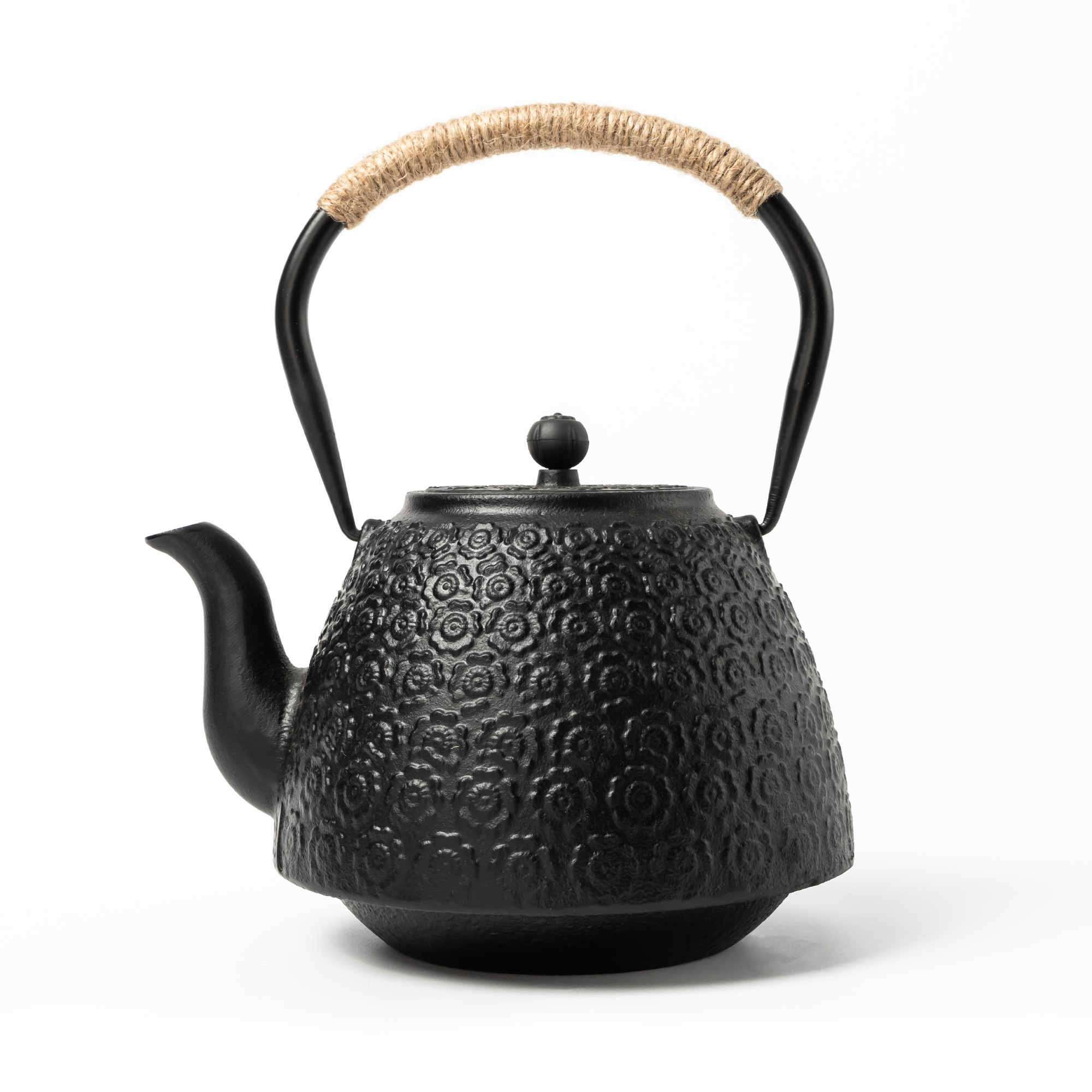
Perhaps the most iconic design element of Nambu ironware is the Arare (霰, hailstone) pattern — the raised dots that cover the surface of many traditional kettles. Each dot is individually pressed into the sand mold by hand before casting, a painstaking process that requires exceptional precision and consistency.
The pattern is not merely decorative. The raised surface area improves heat distribution and retention, making the kettle more efficient at heating water. This perfect marriage of form and function is a hallmark of Japanese craft philosophy.
Modern Revival
In the mid-20th century, the rise of aluminum and stainless steel cookware threatened the survival of traditional ironware. Many workshops closed, and the craft seemed destined to fade into obscurity. However, a renewed appreciation for traditional craftsmanship in the 1970s and 1980s sparked a revival.
Today, Nambu ironware is recognized as one of Japan's Traditional Craft Industries (伝統的工芸品), and FLATSHOP continues to produce kettles using the same time-honored techniques that have been practiced in Morioka for over 400 years.
A Living Tradition
Each FLATSHOP kettle is still made using the traditional sand mold method. A new mold is created for every single kettle, meaning no two pieces are exactly alike. The molten iron is poured at temperatures exceeding 1,400°C, and after cooling, the mold is broken to reveal the finished piece.
This commitment to traditional methods ensures that every kettle carries within it the accumulated wisdom and skill of generations of continuous craftsmanship at our Tohoku workshop.